
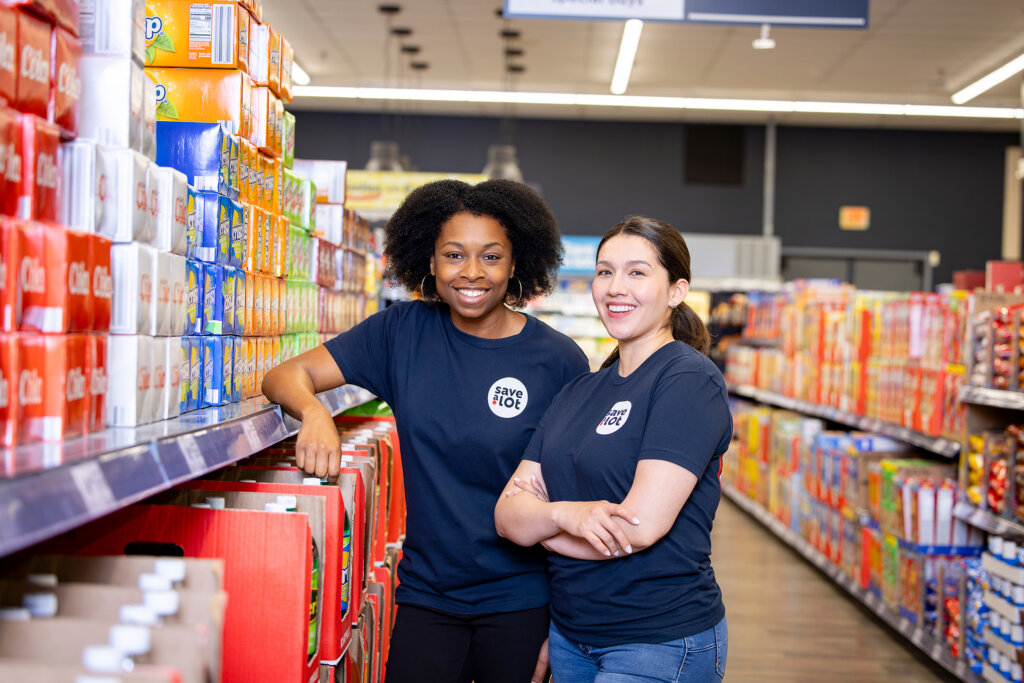
Grocery stores play a significant role in the economic health of the markets they serve. They employ local teams, draw recurring traffic to commercial areas and provide the fresh food and everyday products residents need close to home. For business owners, those same characteristics make grocery a business rooted in consistent, everyday demand.
Save A Lot brings that connection between business ownership and local economic activity to markets across the country through its independently owned and operated Retail Partner model. Operators run their own stores while leveraging an established grocery network, a value-focused model and resources designed to support the business.
For independent grocers and experienced operators evaluating their next move, understanding the economic role of a grocery store provides another perspective on the potential of discount grocery ownership.
Here are four ways grocery stores strengthen the local economy and what those advantages can mean for Save A Lot Retail Partners.
1. Grocery Stores Create Jobs and Local Economic Activity
Opening and operating a discount grocery store provides opportunities for the local community. Stores need employees across management, customer service, stocking, meat and produce departments and other day-to-day functions, creating jobs within the markets where they operate.
Save A Lot Retail Partners are directly tied to that economic ecosystem. They independently own and operate their businesses, giving them a direct stake in the performance of their stores and the markets where they do business.
2. Grocery Stores Bring Recurring Traffic to Commercial Areas
Unlike businesses built around occasional purchases, discount grocery stores meet a recurring consumer need. Shoppers return throughout the week for fresh food, household staples and other everyday purchases, generating consistent activity around grocery locations.
That recurring demand gives grocery stores an important role within shopping centers and commercial corridors. Regular shopping trips bring customers back to the same location throughout the year, creating steady traffic around stores and the areas where they operate.
For prospective Retail Partners, that means entering a category centered on products shoppers need as part of their everyday routines. Save A Lot’s value-focused model and streamlined assortment give operators a way to meet that recurring demand with a grocery format designed around efficient operations.
3. Grocery Stores Support Neighborhood Investment and Development
Grocery access can also become part of a much larger development strategy. Municipalities, developers and economic development organizations look at the services residents need when planning new housing, redeveloping commercial corridors or investing in underserved areas.
Save A Lot’s planned store in Schenectady, New York, is just one example of this in action. The brand is working with state and local leaders, the Schenectady County Metroplex Development Authority, The Community Builders and Five Corners Development as part of a $115 million redevelopment in the Hamilton Hill neighborhood. The project will include a 17,250-square-foot Save A Lot alongside 171 affordable and workforce housing units, greenspace, a playground and other improvements.
The project will also transform previously vacant and blighted properties, including a former car dealership site undergoing remediation through New York State’s Brownfield Cleanup Program. When completed, the new Save A Lot will restore convenient access to fresh, affordable groceries in a neighborhood that has long lacked a full-service grocery store.
Projects like Schenectady demonstrate another path for grocery development.
Retail Partners aren’t limited to traditional standalone development opportunities. Discount grocery stores can fit within broader public-private redevelopment efforts where municipalities and developers are actively looking for businesses that meet everyday needs and contribute to long-term investment.
4. Local Ownership Brings Local Market Knowledge
Save A Lot Retail Partners make decisions with direct knowledge of the markets they serve. They can localize portions of their product assortment based on shopper preferences, employ teams from the surrounding area and develop relationships with customers and organizations in their markets.
At the same time, independent ownership doesn’t mean operating alone. Save A Lot Retail Partners leverage the resources of an established grocery network, including purchasing power, distribution, merchandising resources, Exclusive Brand products and operational guidance.
That combination gives operators the ability to run their own grocery businesses while drawing on a model developed specifically for value-focused retail. For experienced operators and independent grocers, it provides a way to maintain an entrepreneurial approach to ownership without creating a grocery concept from the ground up.
Turn Local Economic Impact Into Your Next Business Move
The qualities that make discount grocery stores valuable to local economies also make grocery ownership worth considering from a business development perspective. They help meet recurring consumer demand, generate consistent activity, create jobs and can play a role in larger development initiatives.
Save A Lot gives independent operators a way to participate in that activity through a Retail Partner model that combines independent ownership with the resources of an established national discount grocery network. From new-store development and existing grocery conversions to acquisitions of operating Save A Lot locations, there are multiple paths for experienced operators to enter and grow within the system.
If you’re evaluating your next grocery investment, connect with the Save A Lot business development team to discuss your market, ownership goals and the path that could make sense for your business.


