
Attracting new businesses, creating jobs and encouraging investment are important measures of economic development. But the long-term success of a community also depends on whether residents can access everyday essentials, including affordable groceries.
A neighborhood grocery store can contribute to that stability by giving families a convenient place to purchase fresh food and manage household expenses. For municipalities, developers and economic development organizations, the value of a grocery retailer extends beyond the initial investment or opening day.
As communities evaluate opportunities to expand grocery access, affordability deserves a place alongside traditional development priorities.
Why Grocery Affordability Matters Beyond Store Openings
Opening a grocery store in an underserved neighborhood can mark an important step toward improving food access. However, proximity alone doesn’t guarantee that residents can afford the products on the shelves.
Households must balance grocery spending with housing, transportation, utilities and other recurring expenses. When affordable food options are limited, families face additional challenges in meeting their everyday needs.
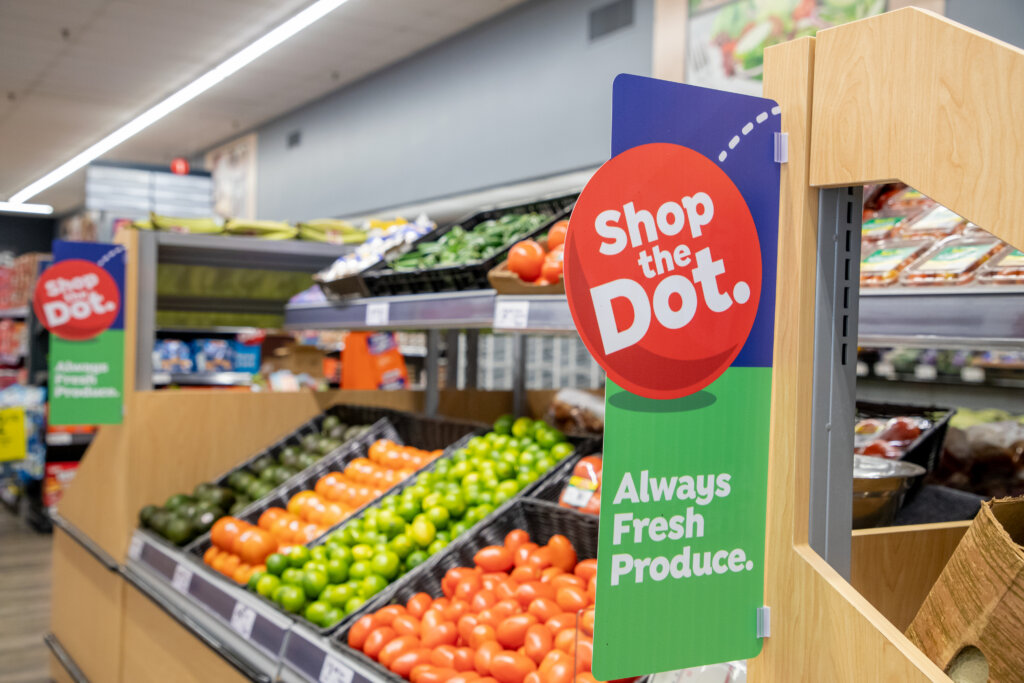
Save A Lot addresses this need through a focused assortment of fresh produce, quality meats, pantry staples and private label products. Its emphasis on everyday value gives communities a grocery option centered on affordability.
For economic development leaders, this highlights an important consideration: A grocery store’s long-term contribution depends not only on its location, but also on its ability to serve the households surrounding it.
The Connection Between Household Budgets and Community Stability
Food represents a recurring household expense, making affordable grocery access an important consideration in community development planning.
When residents have convenient access to competitively priced essentials, they gain another option for managing their grocery budgets without traveling farther from home.
While major investments and new construction projects create visible signs of progress, access to essential services influences how residents experience their neighborhoods over time.
A grocery store that consistently prioritizes affordability can become a dependable community resource, serving households through changing economic conditions and evolving local needs.
Save A Lot’s network of independently owned and operated stores combines this focus on value with the local knowledge of Retail Partners who understand the communities they serve.
What Economic Development Leaders Should Look for in a Grocery Partner
Choosing a grocery retailer involves more than identifying an available site and a business willing to occupy it. Municipalities, developers and economic development organizations should also consider how a potential grocery partner aligns with the surrounding community.
Several questions can help guide that evaluation:
- Does the retailer’s pricing strategy reflect local household needs? Affordable grocery essentials can make a store more accessible to residents managing different budgets.
- Can the retailer support long-term operations? Established distribution, merchandising and operational resources can help independent operators navigate the demands of grocery retail.
- Does the business understand the local market? Community knowledge can help operators develop customer relationships and respond to neighborhood preferences.
- Can the retailer adapt to different development opportunities? New construction, existing retail spaces and grocery conversions offer different paths to expanding food access.
Save A Lot’s Retail Partner model brings together independent grocery ownership and the resources of an established grocery network. Retail Partners maintain ownership of their stores while gaining access to distribution, merchandising expertise, Exclusive Brands and operational support.
This combination offers economic development organizations a potential partner for projects that require both local market knowledge and established grocery infrastructure.
Measuring Community Value Over Time
A grocery store opening represents an important milestone, but its ongoing role in the neighborhood deserves equal consideration.
For communities seeking to improve food access, long-term planning should account for the affordability and sustainability of the retail options they attract. That means looking beyond the initial development investment and considering whether a retailer has the products, resources and operating approach to serve residents consistently.
Save A Lot’s commitment to everyday value aligns with these priorities, offering communities a grocery option that combines affordable essentials with local ownership.
Explore Grocery Development Opportunities With Save A Lot
Improving affordable grocery access requires collaboration between retailers, developers, municipalities and community stakeholders.
If your community has lost a grocery store, has an underserved trade area or has an existing retail property that could support grocery use, connect with Save A Lot’s business development team to evaluate the opportunity.
Connect with Save A Lot’s business development team to discuss how the brand could support your community’s economic development goals.


