
Finding the right grocery operator for a local development project can be challenging, particularly when available retail space, construction costs and local market demand don’t align with the requirements of a traditional supermarket. Even in communities with a clear need for affordable groceries, the economics of bringing a new store to market can present obstacles..
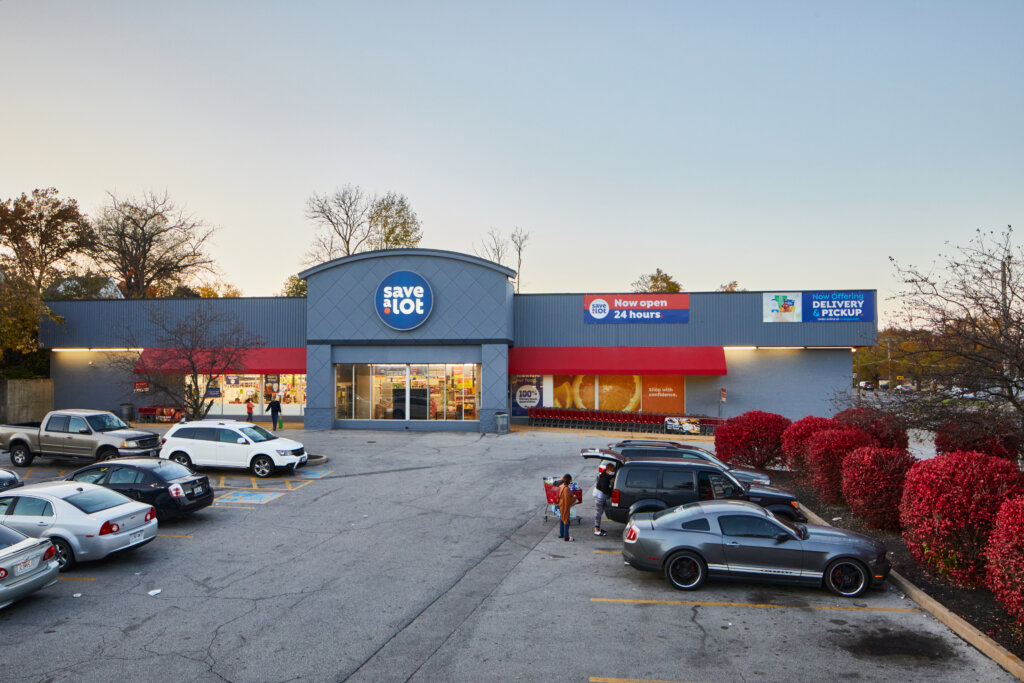
Save A Lot’s smaller footprint and streamlined operating model offer another option. With stores averaging approximately 15,000 square feet, the brand provides a more compact approach to grocery retail that can fit a wider range of commercial properties and neighborhood redevelopment projects.
For experienced grocery operators, this creates opportunities to evaluate new markets, repurpose existing retail spaces and participate in economic development initiatives that bring affordable groceries and commercial investment to local communities.
A Smaller Grocery Footprint Creates More Development Possibilities
Real estate is one of the first considerations in grocery development. Property size, construction requirements and the cost of preparing a location for retail use all influence whether a project makes financial sense.
Save A Lot’s compact store format provides flexibility when evaluating existing shopping centers, vacant retail spaces and redevelopment properties. With an average footprint of approximately 15,000 square feet, the model can accommodate sites that may not have sufficient space for a larger grocery operation.
Converting an existing retail property may also create opportunities to use infrastructure already in place, depending on the building’s condition and required improvements. For operators evaluating expansion, this can broaden the range of properties worth considering.
The model also takes a focused approach to inventory. Save A Lot stores carry approximately 3,000 products, prioritizing grocery essentials, fresh meat, produce and a selection of national and Exclusive Brands. This limited-assortment strategy supports efficient merchandising and inventory management while maintaining the value-focused positioning behind the brand.
These characteristics give prospective Retail Partners a practical framework for evaluating potential locations and the investment required to bring them into operation.
Turning Existing Retail Properties Into Grocery Opportunities
Vacant storefronts and underutilized commercial properties can present opportunities for grocery development, but not every building is suited to a conventional supermarket layout.
Save A Lot’s format creates additional possibilities for reusing existing commercial space. Depending on site conditions, a former retail location may be adapted for grocery use without requiring the scale of development associated with a larger-format store.
This approach can be particularly relevant in established neighborhoods where available commercial space is limited or where redevelopment efforts aim to bring new businesses into existing shopping corridors.
The opportunity extends to independent grocers already operating in their communities. Through a banner conversion, existing store owners can transition to Save A Lot while applying their local market knowledge and grocery experience to the brand’s established operating model.
Rather than requiring every opportunity to begin with a new development site, Save A Lot gives operators multiple ways to evaluate how an existing property or grocery business could fit into their plans.
How Local Economic Development Partnerships Can Help Move Projects Forward
Some grocery projects require more than a suitable property and an experienced operator. Site remediation, infrastructure improvements and other redevelopment expenses can influence the financial feasibility of bringing a store to a particular location.
Local economic development partnerships may help address these challenges through available grants, infrastructure support, redevelopment incentives and other resources. Eligibility and funding depend on the specific project and local program requirements.
Save A Lot works with local economic development offices, government officials and stakeholders to evaluate grocery development opportunities, particularly in communities where access to affordable food is a priority.
Local Economic Development in Action in Schenectady, New York
A planned Save A Lot in Schenectady’s Hamilton Hill neighborhood demonstrates how grocery development can fit into a larger community investment strategy.
The store is part of a $115 million redevelopment project at 750 State Street that will introduce new affordable housing, commercial space and improved access to groceries. Plans include a 17,250-square-foot Save A Lot, with an anticipated opening in spring 2028.
The project brings together public and private organizations, including The Community Builders, Schenectady County Metroplex Development Authority and state and local economic development partners.
The grocery component addresses a specific retail need within a broader redevelopment effort. By incorporating a neighborhood grocery store alongside housing and other improvements, the project connects affordable food access with long-term commercial investment.
Similar partnerships may offer opportunities in other markets, although project requirements, available funding and development timelines will vary.
What These Opportunities Mean for Save A Lot Retail Partners
For grocery operators considering expansion, local economic development initiatives can introduce properties, markets and potential resources that might otherwise fall outside a traditional site selection process.
Save A Lot offers three paths to Retail Partner ownership: converting an existing grocery store, acquiring an operating Save A Lot or developing a new location. Each provides a different starting point depending on an operator’s experience, available real estate and business goals.
Retail Partners also gain access to Save A Lot’s established distribution network, merchandising resources and Exclusive Brand portfolio. These resources support the day-to-day grocery business while allowing independent operators to bring their knowledge of local customers and market conditions into the operation.
When an opportunity involves redevelopment or public-private investment, operators can also explore whether local economic development programs offer resources applicable to their proposed project. Such assistance is not guaranteed, but it can be an important consideration during the development process.
The combination of a compact store format, established grocery infrastructure and multiple ownership pathways gives experienced operators options for approaching their next investment.
Explore Grocery Development Opportunities With Save A Lot
The right grocery development opportunity depends on more than identifying a market with demand. Available properties, project costs, operating requirements and local partnerships all influence whether a location is viable.
Save A Lot’s efficient grocery format gives experienced operators another way to approach those decisions, with opportunities ranging from existing store conversions to new locations developed as part of broader community investment initiatives.
Whether you’re evaluating a property, considering a banner conversion or exploring opportunities in a new market, connect with Save A Lot’s business development team to discuss how the Retail Partner model could fit your plans.
Frequently Asked Questions About Grocery Economic Development
- How can Save A Lot support local economic development in a community?
Save A Lot can contribute to local economic development by bringing affordable groceries, local employment and commercial activity to communities. Its smaller store footprint also creates opportunities to repurpose existing retail properties and participate in redevelopment projects.
- What makes Save A Lot’s grocery format suitable for smaller retail spaces?
Save A Lot stores average approximately 15,000 square feet and carry a focused assortment of around 3,000 products. This compact format allows operators to evaluate a wider range of commercial properties, subject to the brand’s site requirements.
- How does Save A Lot partner with communities on economic development projects?
Save A Lot works with local governments, economic development organizations and other community stakeholders to bring affordable grocery options to areas identified for investment or redevelopment. These partnerships can connect publicly supported development initiatives with Save A Lot’s grocery model and network of independent Retail Partners.


